Kontribusi Pakta Burung dalam Konservasi Biodiversitas – Burung telah lama menjadi subjek kekaguman manusia karena keindahan dan keunikan mereka. Mereka tidak hanya menambah warna dan melodi alam, tetapi juga memainkan peran penting dalam menjaga keseimbangan ekosistem. Pakta Burung merupakan salah satu inisiatif global yang berperan dalam melindungi keberlangsungan hidup burung-burung di seluruh dunia. Dalam artikel ini, kita akan menjelaskan mengapa burung penting untuk konservasi biodiversitas dan bagaimana kontribusi Pakta Burung telah memperkuat upaya pelestarian mereka.
Pentingnya Burung dalam Ekosistem
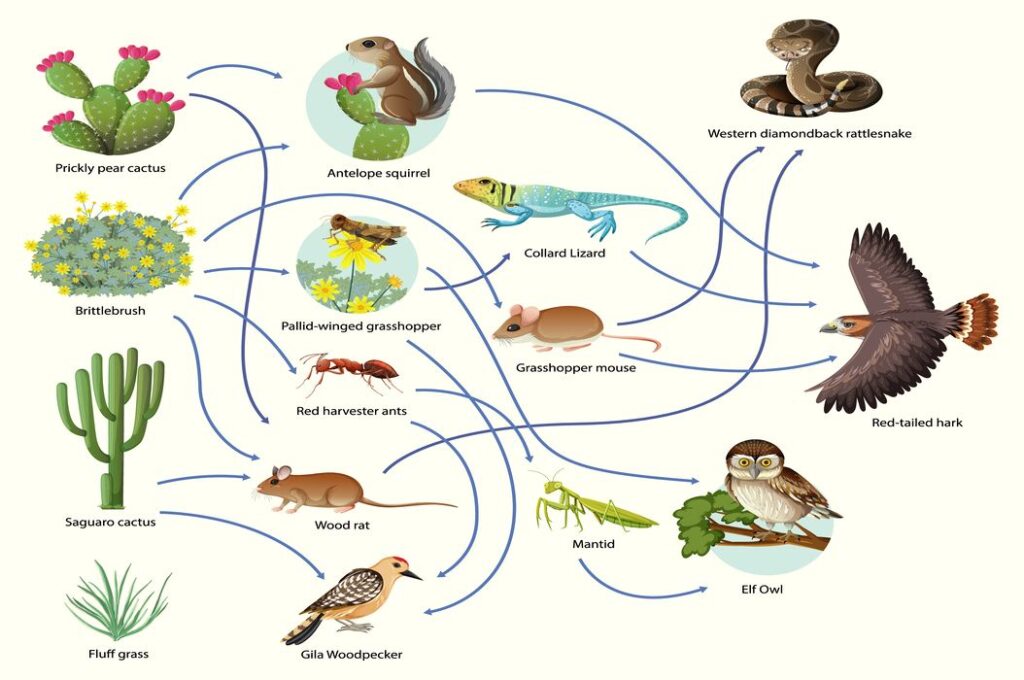
Burung memiliki peran vital dalam menjaga keseimbangan ekosistem. Sebagai predator, mereka membantu mengendalikan populasi hama, menjaga keseimbangan rantai makanan. Selain itu, sebagai pemakan buah dan biji, mereka membantu dalam penyebaran benih tanaman, yang mendukung regenerasi hutan dan vegetasi lainnya. Burung juga menjadi indikator kesehatan lingkungan; perubahan dalam populasi burung seringkali mencerminkan perubahan yang lebih luas dalam ekosistem.

Ancaman terhadap Populasi Burung
Namun, populasi burung di seluruh dunia menghadapi berbagai ancaman, mulai dari hilangnya habitat alami akibat deforestasi dan urbanisasi hingga perubahan iklim dan perdagangan ilegal. Lebih dari itu, polusi dan gangguan manusia, seperti tabrakan dengan bangunan dan kabel listrik, juga menjadi ancaman serius bagi keberlangsungan hidup mereka.
Kontribusi Pakta Burung
Pakta Burung adalah sebuah perjanjian internasional yang bertujuan untuk melindungi burung migran di seluruh belahan bumi. Dibuat pada tahun 1979 oleh Amerika Serikat dan Kanada, pakta ini telah berkembang menjadi sebuah aliansi global yang melibatkan lebih dari 50 negara di Amerika, Eropa, dan Afrika. Salah satu upaya terpenting dari Pakta Burung adalah pembentukan area konservasi yang melindungi habitat penting bagi burung migran.
Keberhasilan dan Tantangan
Sejak didirikan, Pakta Burung telah mencapai banyak kesuksesan dalam menjaga keberlangsungan hidup burung-burung migran. Namun, masih banyak tantangan yang harus diatasi, terutama dalam hal peningkatan kesadaran masyarakat terhadap pentingnya konservasi burung dan habitat mereka. Perubahan iklim juga menjadi ancaman yang semakin besar, mempengaruhi pola migrasi dan habitat burung.
Upaya Kolaboratif
Untuk mengatasi tantangan ini, kerjasama internasional dan kolaborasi lintas sektor menjadi kunci. Selain dari upaya pemerintah dan lembaga konservasi, partisipasi masyarakat lokal dan dukungan dari sektor swasta juga diperlukan. Program edukasi dan advokasi perlu ditingkatkan untuk meningkatkan kesadaran akan pentingnya melindungi burung dan habitat mereka.
Kesimpulan
Burung tidak hanya menjadi bagian yang tak terpisahkan dari keindahan alam, tetapi juga pemain kunci dalam menjaga keseimbangan ekosistem. Melalui kontribusi Pakta Burung dan upaya konservasi lainnya, kita dapat memastikan bahwa keberagaman burung tetap terjaga untuk dinikmati oleh generasi mendatang. Dengan kerjasama global dan kesadaran lokal, kita dapat melindungi rumah bersama kita untuk semua makhluk hidup, termasuk burung-burung yang menghiasi langit.